Enhance Your Outdoor Environment: Professional Landscaping Advice for a Beautiful Residential Garden
Reshaping an exterior setting into a stunning residential landscape demands thoughtful planning and purposeful execution. By evaluating the unique characteristics of a yard, homeowners can define clear garden objectives. Choosing vegetation that flourish in the regional conditions is essential. In addition, adding functional hardscape features improves both visual appeal and usability. Nonetheless, the journey doesn't conclude there. Discovering how to preserve environmental sustainability and vibrancy can elevate any landscape to the next level. What approaches produce successful lasting results?
Evaluate Your Outdoor Area to Establish Your Garden Objectives
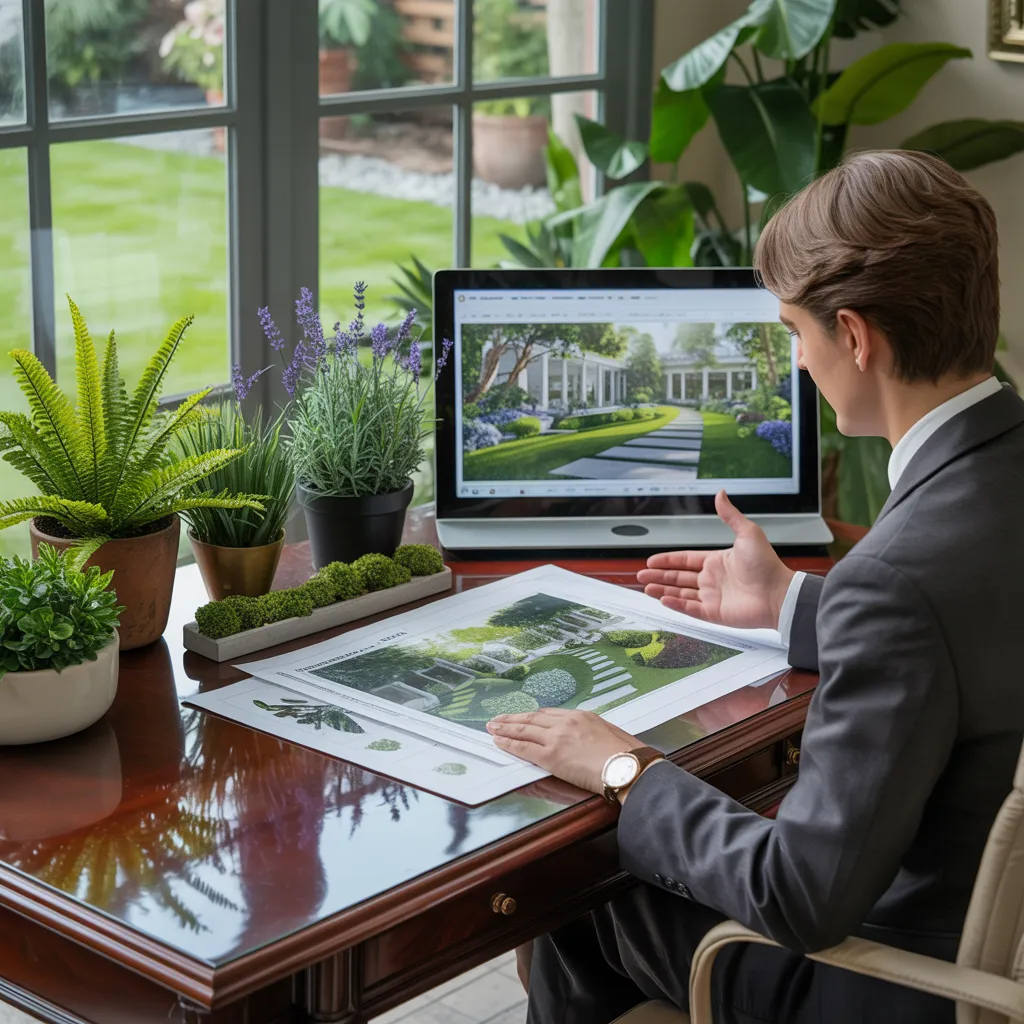
Before launching any garden project, it is vital for property owners to thoroughly assess their outdoor environment. This initial evaluation helps them to understand the specific features of their yard, such as light conditions, ground quality, and current plant life. Identifying these components helps in deciding what types of design elements can be successfully added into the location.
Homeowners should take dimensions and note any barriers such as trees, fences, or walkways that may influence the layout. Furthermore, recognizing individual tastes and living requirements—such as areas for entertainment, gardening, or leisure—can guide the landscaping goals. By clearly defining these aims, homeowners create a solid base for a unified and practical outdoor environment. This thoughtful assessment ultimately leads to a more rewarding and successful garden renovation, ensuring the outdoor space enhances not only the property's visual appeal but also fulfills the functional requirements of its inhabitants.
Determine the Perfect Plant Selection for Your Local Environment
Picking the right plants for a particular region is important for establishing a flourishing exterior environment. Understanding local weather patterns, including temperature ranges, precipitation, and moisture levels, helps property owners select vegetation that will thrive. Native plants typically adjust most effectively, requiring minimal upkeep and irrigation. As an instance, water-efficient plants are ideal for dry climates, whereas water-preferring plants flourish in humid climates.
Gardeners should further consider climate variations; selecting vegetation that offers continuous visual appeal improves the landscape. Spring-flowering plants, summer perennials, and colorful autumn leaves can create a dynamic visual experience. Furthermore, speaking with local gardening centers or agricultural resources can provide valuable insights into durable vegetation adapted for specific conditions.
Ultimately, a strategically designed plant selection not only enhances beauty but additionally supports native fauna and promotes ecological health, which makes it a wise choice for every exterior area renovation.
Transform Your Garden With Decorative Structural Components
Functional hardscaping elements prove vital in creating exterior layouts and increasing their functionality. By incorporating seating areas and expertly planned walkways, homeowners can create inviting environments that encourage relaxation and movement. Additionally, edging can separate different zones within the garden, adding structure and visual interest.
Create Your Garden Space
Creating a thoughtfully laid out outdoor space can transform a garden into a welcoming retreat. One effective technique to achieve this is through practical hardscape features, which create organization and visual order. Pathways made from stone or masonry guide guests while creating visual appeal. Support walls can form layered heights, improving the landscape's appearance and preventing soil loss. Fencing or trellises can mark boundaries, providing privacy and a feeling of containment. Incorporating raised garden beds not only defines planting areas but also makes them more accessible. These elements work together to establish separate areas that enhance both aesthetics and functionality. Ultimately, a well-defined outdoor space fosters a serene environment where homeowners can unwind and appreciate the outdoors.
Add Resting Zones
Incorporating sitting zones into an exterior environment greatly boosts its usability and appeal. By adding practical hardscape features, homeowners can form inviting spots for rest, gathering, or appreciating the outdoors. Options include benches, patio sets, or hammocks, each contributing to the garden's aesthetic and comfort. Strategically placing seating near focal points, such as flower beds or water features, encourages users to engage with their outdoor environment. Additionally, using materials like stone or wood can complement the garden's design, maintaining design consistency. Shade structures, such as pergolas or umbrellas, provide comfort during hot weather, keeping these spaces accessible year-round. Ultimately, carefully planned sitting zones reimagine a basic yard into a inviting sanctuary for family and friends.
Add Pathways And Borders
Pathways and borders are important features in outdoor landscaping, guiding explorers within your garden while improving its compositional strength. These create organization and flow, supporting the recognition of separate zones and vegetation types. Stone, gravel, or brick materials can establish sturdy passages, whereas natural borders from plants or decorative dividers improve beauty. Pathways can inspire exploration, showcasing key areas like flower displays or fountain features. Well-designed borders stop weed growth and ground deterioration, supporting garden well-being. In summary, adding pathways and borders enhances usefulness and adds visual sophistication to your exterior space, transforming locations into more inviting and pleasant settings.
Create Flow With Walkways and Seating Areas
A well-planned garden setting typically includes a balanced circulation established through deliberately situated walkways and rest zones. Walkways direct guests across the garden, providing a definite sense of orientation while enriching the general visual quality. Selecting options such as wood, stone, or gravel can add to the walkway's aesthetic value and ensure longevity.
Seating areas provide rest points, inviting guests to pause and appreciate the surroundings. Strategically positioning seating near focal points, such as a fountain or a flower bed, encourages interaction with the landscape. The choice of seating—benches, chairs, or even hammocks—can influence the atmosphere, whether it be casual or formal.
Blending pathways and seating zones creates an appealing atmosphere, improving practicality and satisfaction. Used together, they form a fluid movement across multiple regions of the garden, inspiring wandering and peace, finally converting any outdoor location into a serene hideaway.
Enhance Your Landscape With Seasonal Hues and Variety
To enhance the visual appeal of a garden, careful selection of seasonal plants is essential. Layering different textures can add depth and interest, while strategically placed focal points can draw the eye and create a cohesive design. These elements together guarantee a vibrant and dynamic outdoor space throughout the year.
Select Seasonal Plants with Consideration
Choosing seasonal plants with care can transform any garden into a vibrant tapestry of color and texture. By selecting plants with staggered bloom cycles, gardeners can maintain an endless succession of blooms. Spring-flowering specimens, summer annuals, fall-flowering perennials, and evergreen winter specimens each deliver unique color palettes and structures to the landscape. It is vital to remember local environmental conditions and ground composition, as well as the plants' growth habits. Native plant varieties often thrive better and require less maintenance, enhancing biodiversity. Additionally, pairing discover details on plants with different heights and seasonal blooms can establish an eye-catching visual effect. Ultimately, careful consideration fosters a landscape that evolves seasonally, delivering enjoyment throughout the entire year.
Establish Multiple Textures To Generate Dimensional Appeal
Generating garden depth calls for layering textures that complement and enhance seasonal color. By combining various plants with diverse leaf configurations, scales, and palettes, one can achieve a visually dynamic landscape. For instance, the use of broad-leaved plants alongside fine-textured grasses can produce visual contrast and allure. Additionally, weaving in bark, gravel, and ecological materials introduces tactile elements that strengthen the garden experience. Seasonal flowers should be strategically situated to deliver color highlights across all seasons, ensuring that each layer remains visually interesting. This thoughtful arrangement not only captures attention across the landscape but also builds an engaging setting where every detail contributes to the garden's beauty and harmony.
Feature Design Elements Deliberately
Carefully adding focal points can markedly enhance a garden's aesthetic appeal and seasonal vibrancy. These key elements serve as anchors that draw the eye and create a cohesive design. Gardeners can use elements such as sculptures, ornamental trees, or vibrant flower beds to create visual appeal. Flowering displays can be infused through the careful selection of plants that bloom at different times, ensuring that the garden remains dynamic throughout the year. Textures also matter greatly; combining smooth stone paths with rough bark or lush foliage adds depth. By carefully arranging these features, a gardener can establish a welcoming environment that promotes discovery and enjoyment, transforming an outdoor space into an engaging retreat.
Implement Responsible Practices to Cultivate a Healthy Garden
Embracing green practices is essential for cultivating a thriving garden that excels in balance with the surroundings. Gardeners are encouraged to incorporate local plant species, which demand less water and maintenance while boosting area animals. Implementing chemical-free approaches, such as organic waste management and chemical-free pest solutions, can substantially decrease synthetic chemicals, promoting a more vibrant ecosystem.
Water-saving approaches, such as targeted watering systems and rain capture, optimize green practices by improving resource use. Applying mulch maintains moisture plus reduces weed growth, lowering the requirement for herbicides. Also, supporting ecological diversity by integrating diverse plant species builds resistance to insects plus infections.
Soil quality is essential; methods such as sequential planting and protective cropping sustain soil nutrients minus artificial nutrients. Through adopting such eco-friendly approaches, growing enthusiasts can create a thriving area that nurtures both plants and the natural world, producing an enhanced gardening pleasure.
Troubleshoot Common Issues for Throughout-the-Year Landscape Beauty
A well-kept garden can confront multiple problems year-round, altering its combined appearance and health. Common issues consist of pest infestations, lacking minerals, and limited water. Spotting pests early is essential; growing enthusiasts should consistently review vegetation for signs of damage along with manage pest outbreaks employing chemical-free pesticides or else incorporating predatory insects.
Nutrient deficiencies commonly appear as yellowing leaves as well as stunted growth. Conducting soil assessments can allow determine particular requirements, permitting for targeted fertilization Nutrient deficiencies frequently display as discolored leaves along with stunted growth. Running soil tests can enable identify particular needs, allowing targeted fertilizer use restoring balance. Also, securing proper irrigation is crucial; overwatering can result in root damage, whereas under-irrigation stresses plants.
Weather transitions furthermore demand adjustments in maintenance. Throughout winter, mulch application shields plant roots from frost, whereas summer can demand more water as well as shaded areas for delicate plants. By addressing these frequent challenges promptly
Is it Better to Do Landscaping Myself or Hire a Professional?
It is doable to complete garden work independently, tapping into internet information and original ideas. However, engaging an expert guarantees knowledge, effectiveness, and enhanced results, especially for complex designs or larger projects that call for advanced techniques.
What Necessary Tools Are Necessary for Residential Landscaping?
Essential equipment for home garden work include a rake, shovel, garden spade, pruning shears, garden fork, and a irrigation hose or sprinkler can. These equipment enable successfully care for earth, vegetation, and complete garden maintenance, delivering successful landscaping.
What's the Optimal Way to Maintain My Landscape Across the Year?
To preserve a garden area throughout the year, one should frequently shape plants, apply garden mulch for thermal protection, check soil moisture, and establish seasonal planting plans. Additionally, pest management and nutrient application are required for vibrant, healthy growth.